Two coffees can come from the same region and still surprise us in very different ways.
Variety, climate, soil and growing conditions all influence coffee, but the story does not end when the cherry is picked. After harvest another decisive stage begins: processing.
It is the set of operations through which the layers of the fruit are removed and the seed is prepared for drying, storage and later transformation.
Among the best-known methods in specialty coffee are washed, natural and honey. Understanding their differences helps us read a coffee sheet better, interpret a cupping and see why the process is an essential part of the identity of each lot.
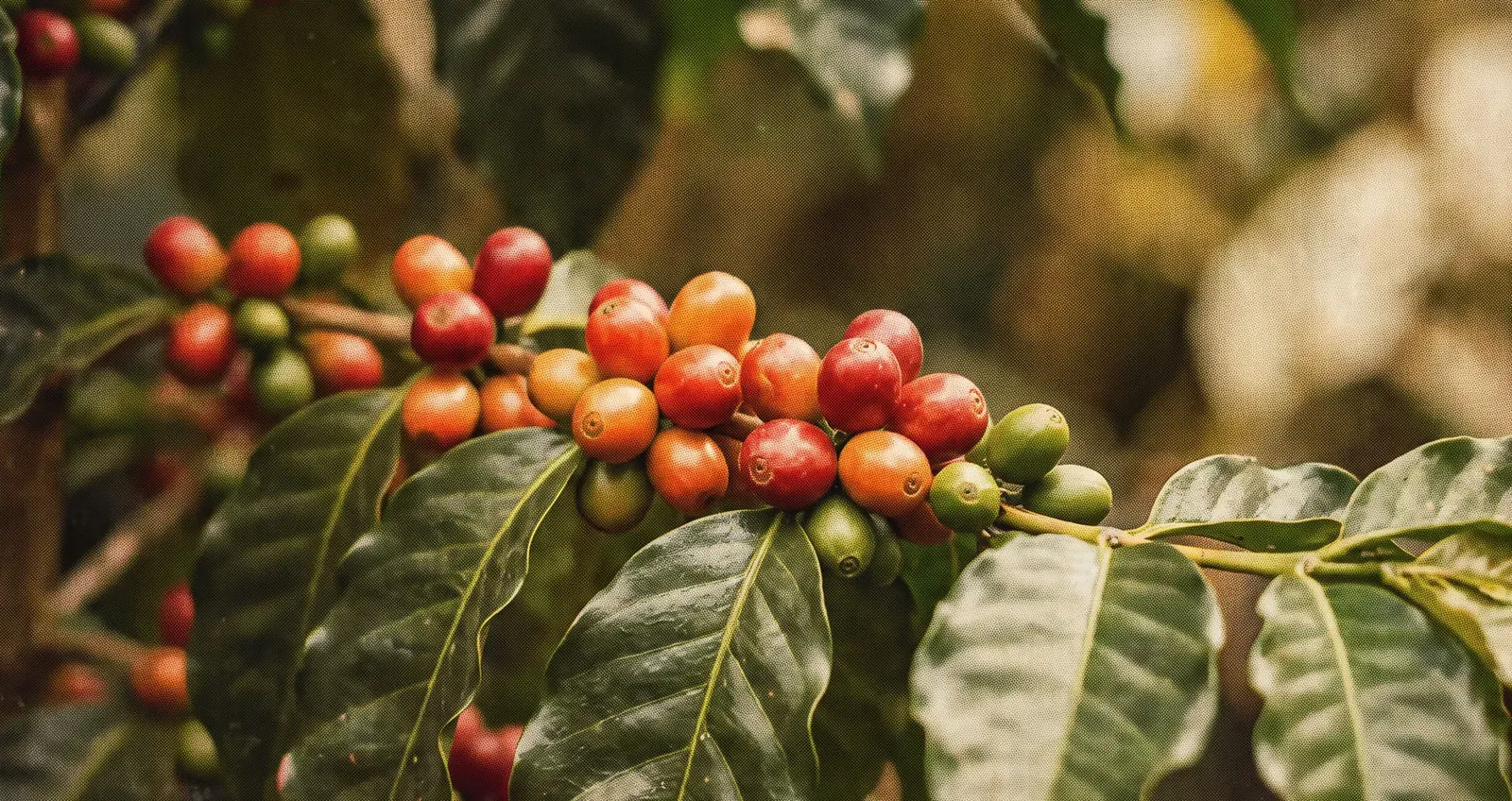
First, a clarification: coffee is a fruit
The beans we roast are the seeds found inside a fruit known as the coffee cherry.
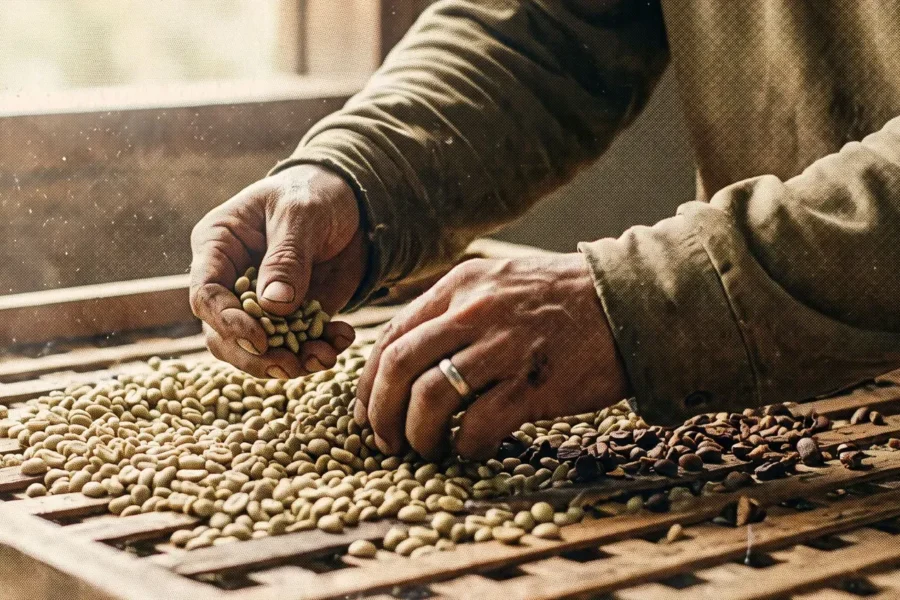
After harvest, those cherries must be processed to remove their outer layers and dry the seeds until they reach conditions suitable for storage.
The difference between the methods lies mainly in how the fruit is removed, how much mucilage stays on during drying and how the different stages of the process are managed.
No single method guarantees a superior coffee on its own. The result also depends on the quality of the raw material, the processing decisions and the control of each stage.
1. Washed coffee: clarity and precision
In the washed process, the cherries are pulped and the mucilage is removed through fermentation and washing, depending on the system used. The coffee is then dried.
Controlling these stages is important to obtain a stable product and avoid defects.
In the cup, washed coffees are usually associated with defined profiles and a clear expression of their sensory characteristics. Descriptions often mention marked acidity, floral or citrus notes and a clean feel.
But these characteristics are not a universal rule: origin, variety and post-harvest work remain decisive.
What is worth observing? The cleanliness of the profile, the balance, the acidity and the way the characteristics of the origin come through.
2. Natural coffee: drying the whole cherry
In the natural process, the cherries are dried with the fruit intact before the outer layers around the bean are removed.
Drying requires attention: environmental conditions, how the cherries are spread, how the product is moved and moisture control all influence the result.
Natural coffees are usually associated with a feeling of greater fruit intensity, perceived sweetness and body. In some cases, notes reminiscent of ripe fruit or wine can appear.
However, a well-executed natural process is not simply a matter of leaving the cherries in the sun. It requires careful management of drying and prevention of defects.
What is worth observing? The definition of the fruit notes, the balance, the cleanliness and the overall quality of the cup.
In the honey process, the skin of the cherry is removed, but part of the mucilage stays attached to the bean during drying.
The name does not mean that honey is added to the coffee. It refers to the sticky feel of the mucilage.
The amount that remains, the drying conditions and the producer’s decisions can lead to different results. That is why it is best not to assume that all honey coffees will have the same profile.
In general terms, they can offer interesting combinations of perceived sweetness, body and clarity, although each lot must be evaluated separately.
What is worth observing? How sweetness, acidity, body and cleanliness of the profile combine, and what the process contributes to the character of the coffee.
Which method produces the best coffee?
The most honest answer is that there is no universal winner.
A washed coffee can be outstanding for its clarity and balance. A natural can stand out for its fruit expression. A honey can offer a profile that combines characteristics of both.
The processing method is a tool for working the product, not an automatic guarantee of quality.
To assess a coffee you have to consider its origin, the condition of the lot, the information available, the process and, finally, what the sensory evaluation reveals.
Why does this matter when buying green coffee?
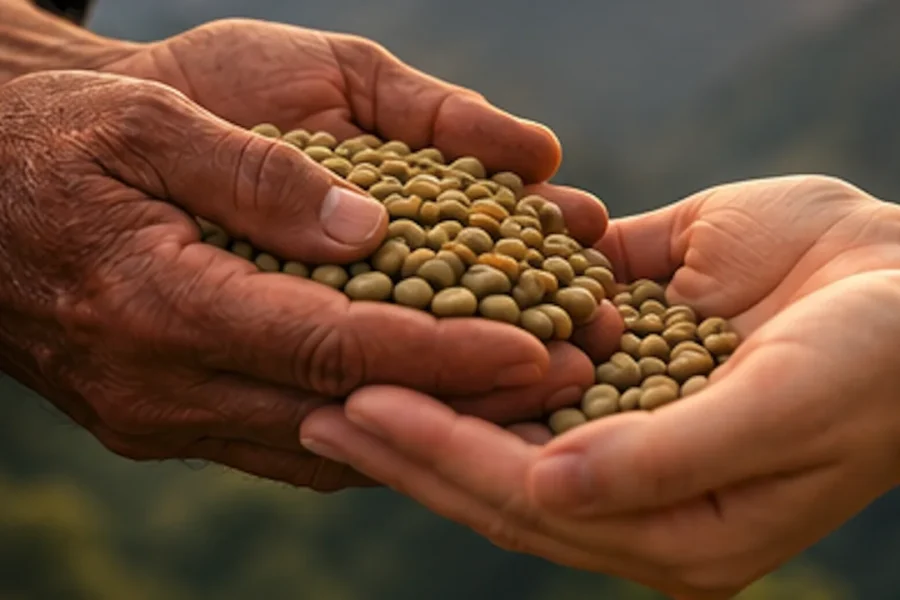
For a roaster or a professional buyer, knowing the processing method helps interpret the coffee before adding it to a selection.
It also makes it possible to ask better questions of the producer or supplier: how the process was carried out, what information exists about the lot, how drying was controlled and what results have been observed in the sensory evaluation. If you want to go deeper, see our guide to choosing specialty green coffee.
The more verifiable information we have, the better we can assess the product and explain its story.
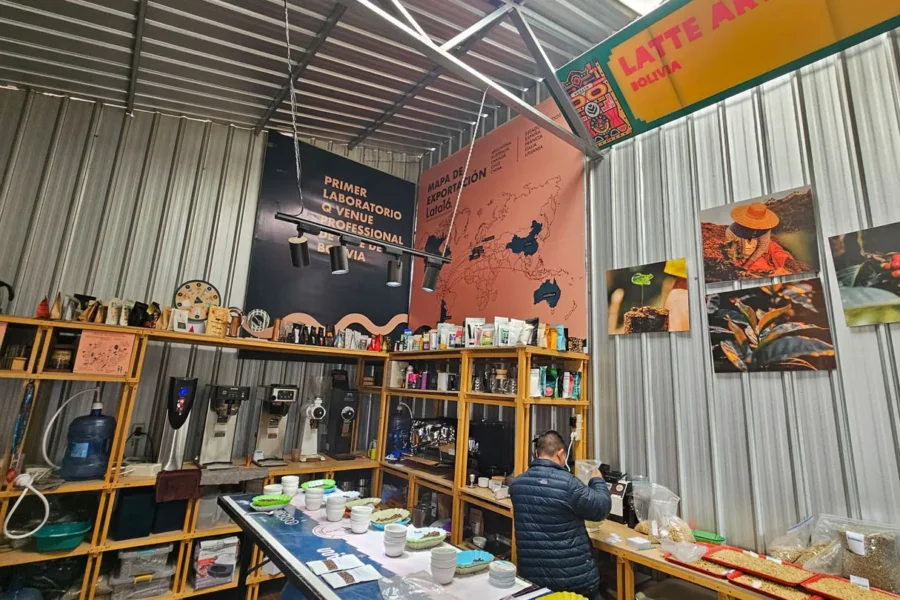
At THE AYNI PROJECT we believe that discovering a good coffee starts with curiosity but continues with knowledge. Origin gives us the context; processing helps us understand another part of its character; and cupping lets us evaluate what actually reaches the cup.
Because every coffee has a story. And learning to read it makes the experience of discovering it far more interesting.